About this landmark
Gulf of Fonseca: A Tranquil Coastal Haven
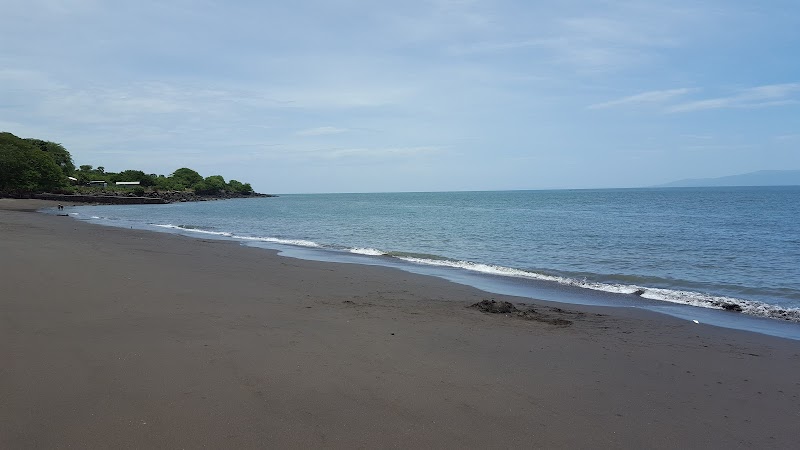
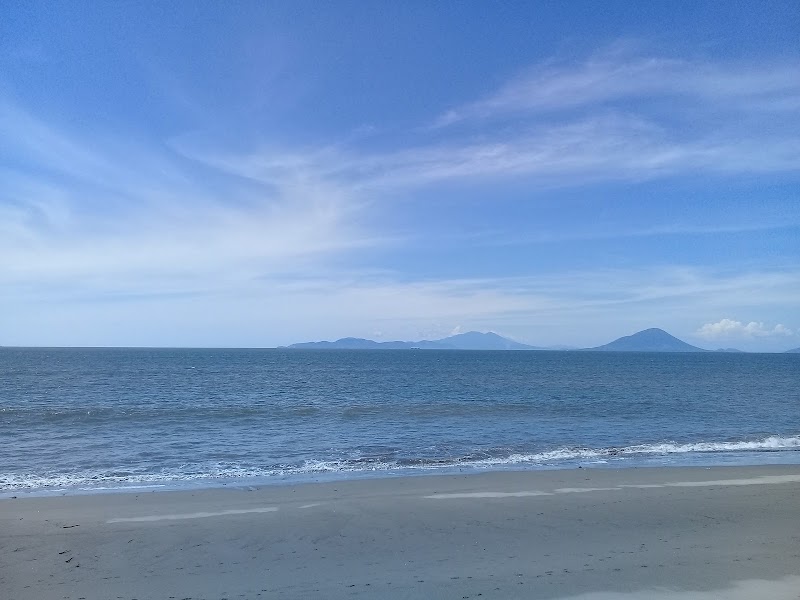
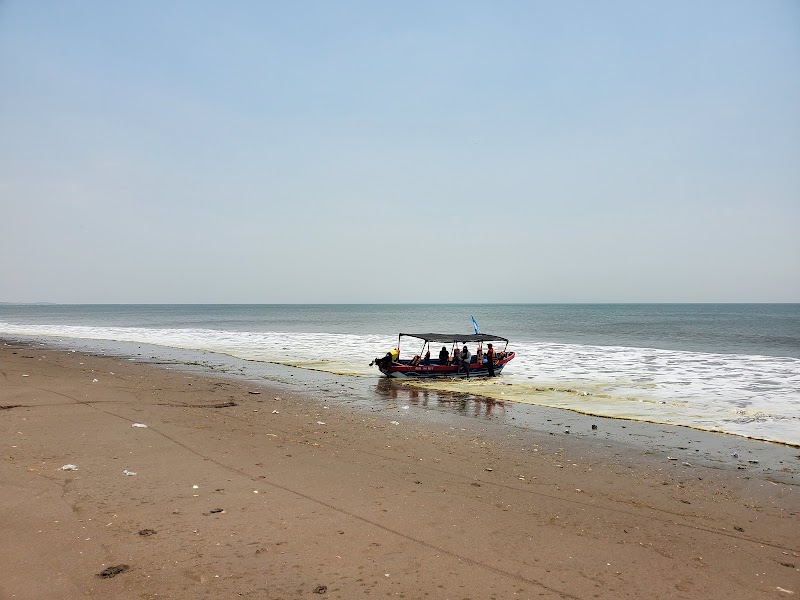
Located on the northeastern coast of the Pacific Ocean, the Gulf of Fonseca is a stunning maritime basin connecting the countries of El Salvador, Honduras, and Nicaragua. It's a unique location, celebrated for its blend of rich marine biodiversity and spectacular volcanic landscapes that frame the horizon. The vibrant patchwork of islands and peninsulas makes it a picturesque setting that's perfect for those who seek both relaxation and adventure on the water.
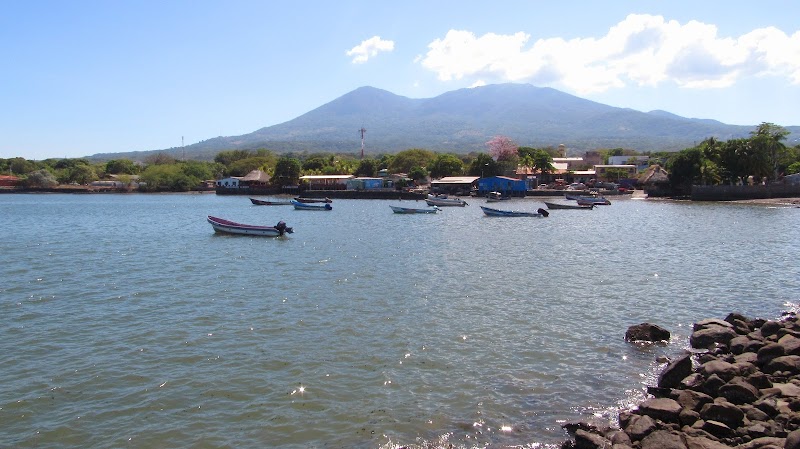
Key features include the majestic presence of impressive volcanic peaks, such as the Conchagua in El Salvador, dominating the skyline. The region is home to a vast array of marine life, making it a hotspot for fishing, wildlife tours, and eco-adventures. Additionally, the area plays host to local cultural festivals and a rich historical backdrop, offering captivating stories of trade and settlement.
The Gulf is not just a beautiful sight to behold but also a habitat for endangered species like the hawksbill turtle. Whether capturing the sunrise over spectacular coastal vistas or navigating its serene waters, the Gulf of Fonseca offers a distinctive experience that stays with its visitors long after they've left. The blend of natural wonder and cultural history offers an appealing escape from the hustle and bustle of modern life.
Adventure Guide
Adventure Guide to Gulf of Fonseca
Sailing and Island Hopping
- Special Feature: Navigate through the numerous islands, each offering unique landscapes and opportunities for discovery. This adventure is particularly special due to the pristine beaches and untouched wilderness.
- Local Insights: Some islands host local fishing villages where one can experience traditional lifestyles.
- Visitor Tips: Best visited during the dry season (November to April). Bring sun protection and a sense of adventure.
Wildlife Watching
- Special Feature: The Gulf serves as a haven for various species like dolphins, sea turtles, and a variety of seabirds.
- Local Insights: Guided tours are available, increasing chances to see rare species and learn about conservation efforts.
- Visitor Tips: Early morning visits are ideal for wildlife activity. Don't forget binoculars and a camera.
Kayaking the Mangroves
- Special Feature: Explore the serene mangrove ecosystems, a vital natural habitat for the region's diverse wildlife.
- Local Insights: The mangroves act as critical breeding grounds for fish and other marine life, underscoring their ecological importance.
- Visitor Tips: Kayaking is best during high tide. Consider guided tours for safety and expert guidance.
Visitor Tips
- Best Times:Dry Season (November to April) for favorable conditions and optimal lighting.
- What to Bring:Plenty of water, sun protection, a camera, and respectful Leave-No-Trace mindset.